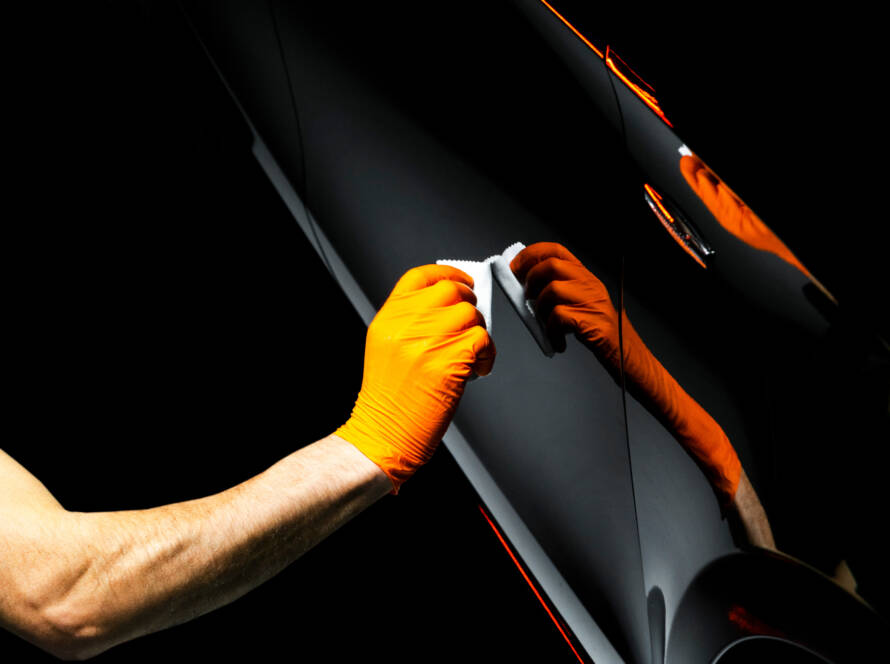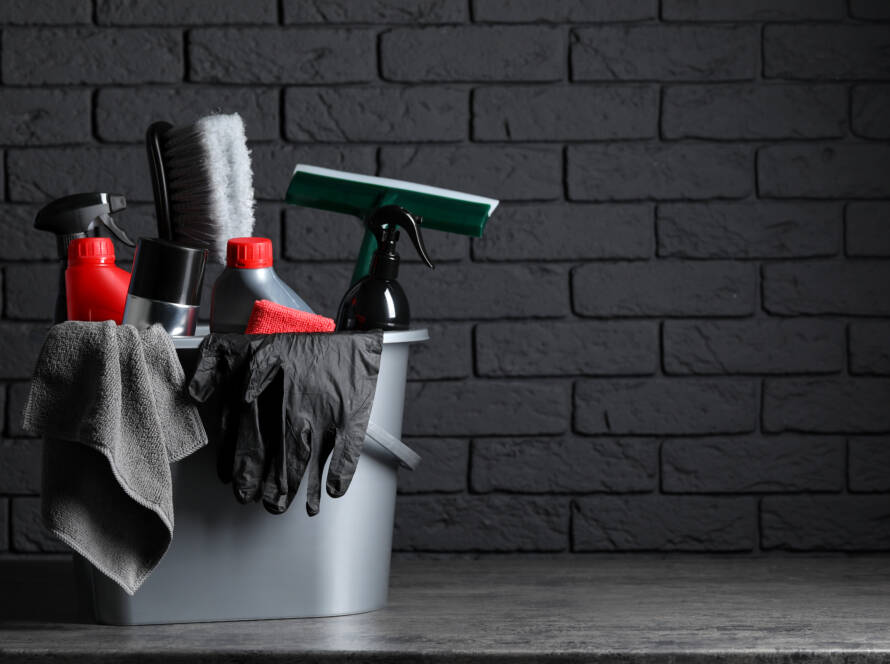


Exterior Car Detailing – When most people hear “exterior detailing,” they picture a really thorough car wash. Soap, water, maybe some wax, done.
That’s not what it is.
A proper exterior detail is a multi-stage process that removes contamination bonded to your paint, restores the finish underneath, and protects it going forward. A car wash cleans the surface. A detail treats the paint itself.
Here’s what actually happens, step by step, and why each stage matters.
Stage 1: The Pre-Rinse and Foam
Before anything touches your paint, the vehicle gets rinsed and covered in a thick layer of foam.
This isn’t for show. Your paint is coated in abrasive grit — road dust, sand, fine dirt. In the Four Corners, a lot of it. If you go straight at that with a wash mitt, you’re dragging sandpaper across your clear coat. That’s how swirl marks happen.
The foam lifts and loosens that grit so it rinses away instead of getting ground in. It’s the single most important step for preventing damage during the wash itself.
Stage 2: The Hand Wash
Next comes a hand wash using the two-bucket method — one bucket with soap, one with clean rinse water, and a grit guard in the bottom of each.
The point is simple. Every time the mitt comes off the vehicle, it gets rinsed in the clean bucket before going back into the soap. Dirt stays out of the wash water instead of getting reapplied to your paint on the next pass.
The wash also works top to bottom, since the lower panels are always the dirtiest. And every panel gets a dedicated pass rather than one quick wipe over the whole vehicle.
This is the difference between a wash that cleans your paint and one that slowly degrades it.
Stage 3: Wheels, Tires, and Wheel Wells
Wheels get their own dedicated stage with their own tools, because brake dust is genuinely nasty stuff.
Brake dust isn’t just dirt. It’s hot metallic particles that embed into your wheel finish and corrode it over time. It doesn’t rinse off. It needs a dedicated wheel cleaner and agitation to break down and release.
Wheel wells and tires get cleaned separately too, using brushes that never touch the paint. Cross-contaminating a paint mitt with wheel grit is one of the fastest ways to scratch a vehicle.
Stage 4: Chemical Decontamination
Here’s where detailing leaves car washing behind entirely.
Even after a perfect hand wash, your paint still has contamination bonded to it. Not sitting on it — chemically attached. Two kinds in particular:
Iron particles from brake dust and rail dust embed into the clear coat and oxidize. An iron remover dissolves them, and it changes color as it works, usually bleeding purple as the particles break down. It’s an unsettling thing to watch the first time.
Tar and adhesive residue from road work and construction won’t come off with soap at any strength and needs a dedicated solvent.
Here in the Four Corners, road treatment and construction traffic mean tar is a regular problem. This step handles it.
Stage 5: Clay Bar Treatment
Run your fingers over your paint after washing. If it feels gritty or rough instead of glass-smooth, that’s embedded contamination that survived everything so far.
A clay bar glides across lubricated paint and physically pulls those particles out. Industrial fallout, overspray, mineral deposits, tree sap residue — things that have worked their way into the clear coat.
The difference is immediate and tactile. Paint that felt like fine sandpaper feels like glass afterward.
This step matters for two reasons. It restores smoothness and gloss on its own, and it’s mandatory before applying any protection. Sealing contamination under a coating locks it in permanently.
Stage 6: Drying
Sounds trivial. It isn’t — especially here.
Farmington’s hard water is loaded with calcium and magnesium. When water evaporates on your paint, the water leaves and the minerals stay behind, bonded to the surface. Under our sun, those deposits begin etching into the clear coat.
Air drying a vehicle in Farmington actively damages it.
Proper drying means clean microfiber towels, panel by panel, before evaporation gets a chance. Filtered or deionized water helps, and a blower clears water out of mirrors, trim, badges, and door jambs so it doesn’t run out later and spot the panel you just dried.
Stage 7: Protection
Now that the paint is genuinely clean and decontaminated, it gets sealed.
Wax gives a warm glow and lasts a few weeks to a couple of months.
Paint sealant is synthetic, more durable, and typically holds for four to six months.
Ceramic coating chemically bonds to the clear coat and lasts years. In a hard water region like ours, that hydrophobic barrier is genuinely valuable — water beads and rolls off instead of sheeting and sitting, which means dramatically less spotting between washes.
Which one is right depends on your budget and how long you’re keeping the vehicle.
Stage 8: Glass, Trim, and Final Details
The finishing work, and where a good detail separates itself:
Glass cleaned inside and out, streak-free, with hard water deposits removed. Exterior trim cleaned and dressed so faded plastic looks restored rather than chalky. Tires dressed with a clean satin finish, not the greasy shine that slings onto your paint on the first drive. Door jambs, fuel door, and badges wiped down — the spots people forget and notice immediately when they’re done right.
Why This Takes Hours
Add it up: pre-rinse and foam, hand wash, wheels, chemical decontamination, clay bar, careful drying, protection, and finish work. Each stage has a purpose and none of them can be rushed.
That’s why an exterior detail takes hours instead of minutes, and why the result looks nothing like a run through the car wash.
And because it’s mobile, all of it happens in your driveway while you go about your day.
Is It Worth It?
In a climate like ours, yes — and not just cosmetically.
Our sun oxidizes and fades unprotected paint. Our dust is abrasive and scratches finishes over time. Our hard water etches clear coat every time a vehicle air dries. Those forces are working on your vehicle constantly, and they compound.
A proper exterior detail reverses the damage that’s reversible and puts a barrier between your paint and everything else. On a vehicle you’re keeping for years, or one you’ll eventually sell or trade, that protection shows up in both appearance and value.
Your vehicle is one of the largest purchases most people make. Protecting it isn’t vanity.
Mudboy’s Mobile Detailing brings professional exterior detailing right to your driveway in Farmington, Bloomfield, Aztec, Kirtland, and the surrounding Four Corners area. Cars, trucks, and SUVs — we come to you. [Book your detail today!]